
Expert roofers know that different flat roof materials have varying lifespans based on their construction and quality. This guide explains how long each type of flat roof typically lasts and what affects its durability. EPDM roofs usually last 25-30 years and resist UV damage well. TPO roofs provide 15-20 years of protection with strong puncture resistance. Built-up roofs can last over 20 years when properly maintained. Weather, maintenance habits, and material quality all affect how long your roof will serve you.
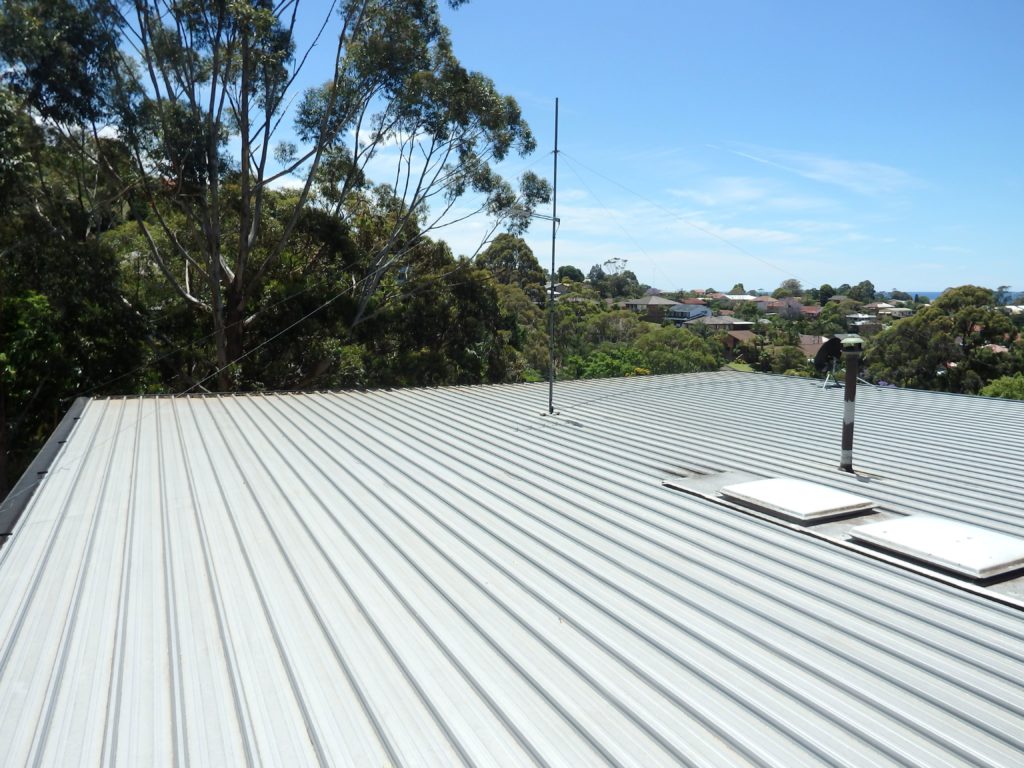
Several key factors determine how long your flat roof will last. Weather plays a major role in the lifespan of a roof. Sun, rain, snow, and temperature changes can wear down roofing materials over time. Regular maintenance helps extend roof life significantly. Check for damage, clear away debris, and fix problems quickly to prevent bigger issues. The quality of materials used during installation also matters greatly. Higher-quality materials cost more upfront but resist wear better and last longer than cheaper options.
EPDM (ethylene propylene diene terpolymer) is a rubber material known for lasting a long time. Most EPDM roofs last 25-30 years with proper care. This material handles UV rays, ozone, and temperature changes very well, making it perfect for flat roofs. EPDM stays flexible in hot and cold weather without cracking. The material expands and contracts naturally with weather changes. Regular checks and quick repairs help EPDM roofs last even longer, protecting your building from weather damage.
TPO (Thermoplastic Polyolefin) roofs typically last 15-20 years and offer good protection for commercial buildings. This material resists UV rays, ozone, and chemical damage effectively. TPO stays flexible and moves with temperature changes without losing strength. The material fights off punctures, tears, and mold growth well. Professional installation is important for getting the most life from TPO roofing systems. Regular maintenance and inspections help TPO roofs reach their full lifespan potential.
Built-up roofs (BUR) use multiple layers of tar and fabric to create a strong, long-lasting surface. These layers work together to handle tough weather and foot traffic. A well-built and maintained BUR system can last 20 years or more. The roof’s lifespan depends on installation quality, regular care, and the type of materials used. Check for signs of wear regularly, make repairs quickly, and keep drainage working properly to get the most years from your built-up roof.
Set up a regular maintenance schedule to keep your roof in good shape. Inspect your roof twice per year to catch problems early, like leaks, cracks, or damaged areas. Fix small issues right away before they become big, expensive problems. Keep the roof clean and free of debris, ensure proper drainage, and repair damage quickly. Have a professional roofer check your roof regularly since they can spot problems you might miss. This proactive approach helps your roof last longer and protects your building better.
Related Articles: