
Understanding how much weight a flat roof can handle is important for building safety and avoiding damage. This guide explains the key factors that affect roof weight limits and safety requirements. You’ll learn about different types of loads, risk factors, and maintenance practices. A professional roofing team should always assess your roof’s specific weight capacity before adding heavy equipment or materials. These guidelines help protect your building and keep everyone safe.
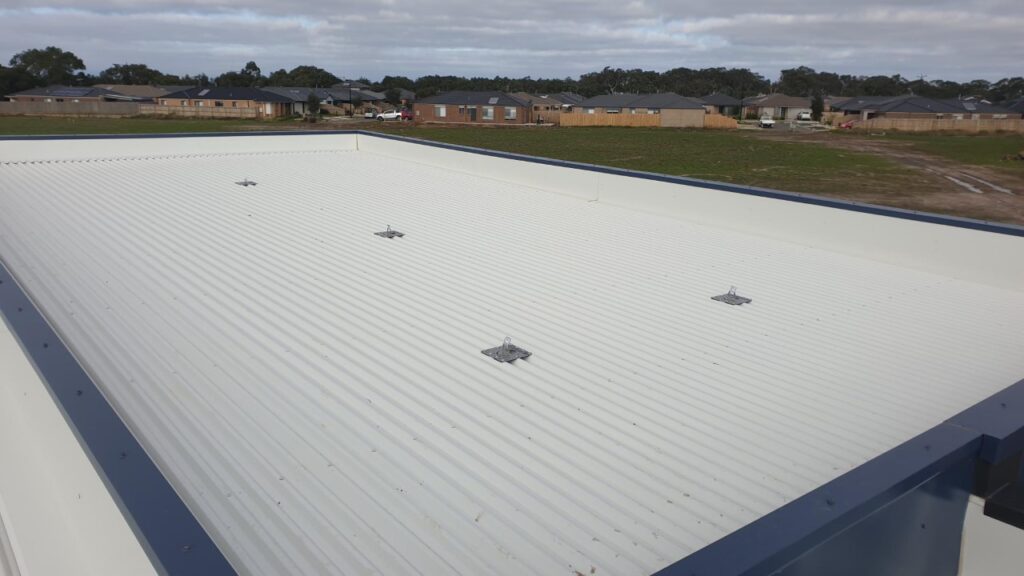
Flat roof weight limits depend on the roof’s structural strength and ability to handle different loads. The maximum weight your roof can hold depends on the building materials, roof design, and the roof’s maintenance. You should talk to a structural engineer to get an accurate assessment of your roof’s weight capacity. Dead loads include the roof itself and permanent fixtures like HVAC units. Live loads include temporary weights like snow, people, or equipment. Ignoring these limits can cause serious structural problems that put the building and people at risk. Knowing your roof’s weight limits is necessary for keeping the structure safe and sound.
Several factors determine how much weight your flat roof can safely support. The building materials used play a major role, including insulation type, decking materials, and waterproof membranes. The roof’s structural design is also critical, including factors like roof span, beam spacing, and where support columns are placed. Regular maintenance keeps your roof strong over time. You need to inspect your roof regularly for damage, leaks, or weak spots that could lead to problems. Understanding these factors helps you determine safe weight limits for your flat roof and keeps it working properly for years to come.
Putting too much weight on a flat roof poses significant risks to your building’s safety and structure. Here are the main risks of roof overloading:
Safe roof maintenance protects both workers and your building’s structure. Always check the roof visually from the ground before going up to spot dangers like cracks, weak areas, or debris. Use proper safety gear, including non-slip shoes, safety harnesses, and hard hats, to prevent accidents. Make sure ladders are stable and extend at least three feet above the roof. Never put too much weight on the roof during maintenance work. Check and maintain all equipment and access points regularly to ensure safe operation. Following these safety steps protects maintenance workers and keeps your roof in good condition.
Following safety guidelines prevents accidents and keeps your roof structure strong. When using flat roofs, follow these important rules:
Following these guidelines keeps flat roof systems safe and working well for many years.
Related Articles: